
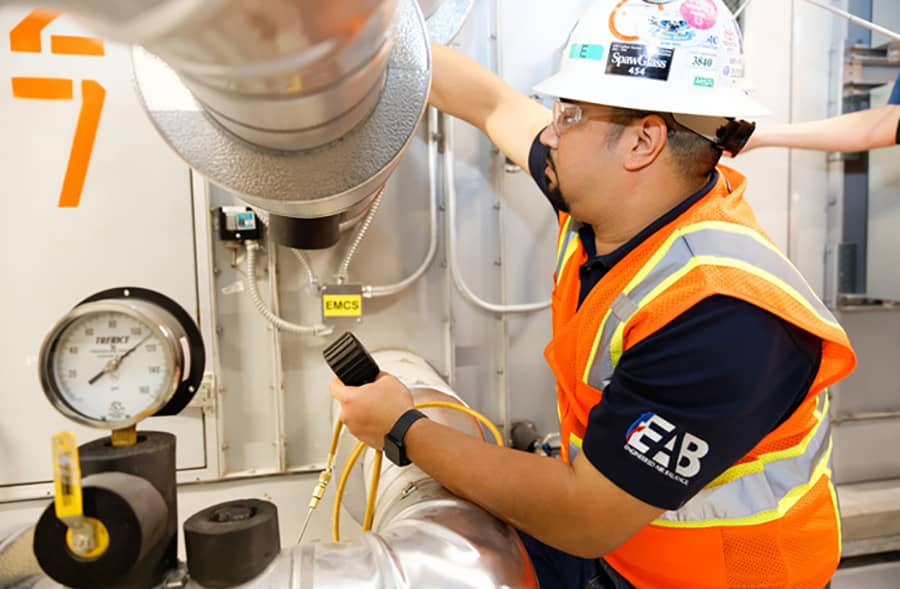
A state smoke test inspection isn’t something you prepare for the week it’s scheduled. By the time the authority having jurisdiction (AHJ) sends an inspector to witness a live smoke control acceptance test, every system that touches smoke control has to be balanced, sequenced, and verified against the approved design. If it isn’t, the inspection fails, occupancy gets pushed back, and every contractor on the job waits while the team tracks down what went wrong.
Reducing that risk starts well before inspection day. The teams that consistently show up to acceptance testing with systems that are ready have one thing in common: structured coordination, started early enough to actually matter.
“State smoke test” is used throughout this article as shorthand for smoke control acceptance testing, which may be administered by a state agency, local fire marshal, building official, or other AHJ, depending on the project and jurisdiction.
What Smoke Control Acceptance Testing Actually Verifies

Smoke control acceptance testing requirements are grounded in NFPA 92 (Standard for Smoke Control Systems) and IBC/IFC Section 909, where adopted by the AHJ. The specific acceptance criteria come from the approved smoke control design and AHJ direction, not a fixed universal checklist. In general, acceptance testing verifies that detection, control sequences, fans, dampers, pressure relationships, and required documentation all perform as the approved design intends.
For exhaust-based smoke control systems, which are common in detention and corrections facilities, typical areas of evaluation include:
- Whether the smoke detection system alarms and initiates the smoke control sequence within the required time window
- Whether smoke is contained within its designated zone, with no migration to adjacent zones
- Whether the smoke control system clears the tested space within the timeframe the design calls for
- Whether the submitted test and balance report demonstrates that all systems are operating at design airflow
The specific thresholds and criteria depend on the facility type, the adopted code edition, and any AHJ overlays. Confirm those parameters with the engineer of record and the AHJ before establishing your acceptance criteria.
Who Has Authority to Accept a State Smoke Test?
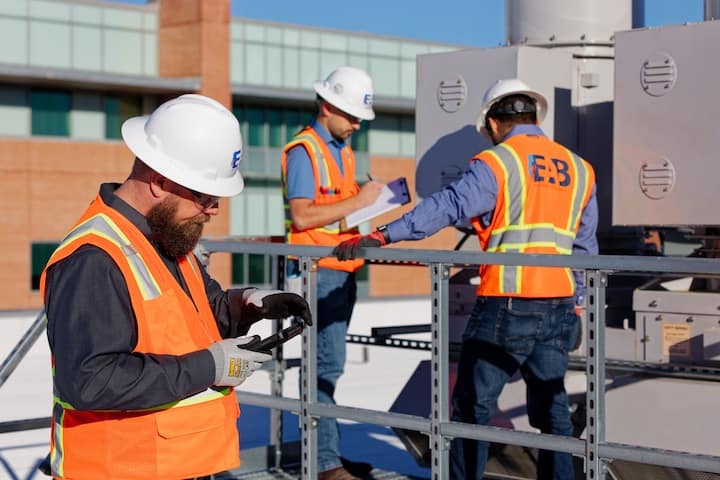
Understanding the sign-off chain before testing begins prevents scope confusion late in the project.
Where special inspection is required, smoke control acceptance testing is typically performed by an AHJ-approved special inspector or inspection agency meeting the locally adopted code’s qualifications. The responsible design professional reviews the documentation. The AHJ retains final acceptance authority. The commissioning firm’s role, within its contracted scope, is to support system readiness: coordinating pre-functional verification, overseeing functional performance testing, tracking deficiencies, and organizing the documentation package, not to confer final acceptance.
The commissioning firm’s responsibilities on smoke control systems typically include reviewing the smoke control design and sequence of operations for constructability and testability issues before construction begins, coordinating the pre-functional checklist process to confirm systems are installed and ready for testing, overseeing functional performance testing (FPT) of all smoke control sequences including every motorized damper, fan, and fire alarm interface, reviewing the TAB report before submission to the engineer of record and the AHJ, coordinating with the special inspector and AHJ on acceptance test logistics, and documenting deficiencies and tracking resolutions to confirm every open item is closed before the inspection date.
Responsibilities for fire alarm interfaces, control wiring, and equipment coordination are typically shared across the fire alarm contractor, controls contractor, mechanical contractor, and electrical contractor, depending on project contract structure.
Why Projects Fail Smoke Control Acceptance Testing
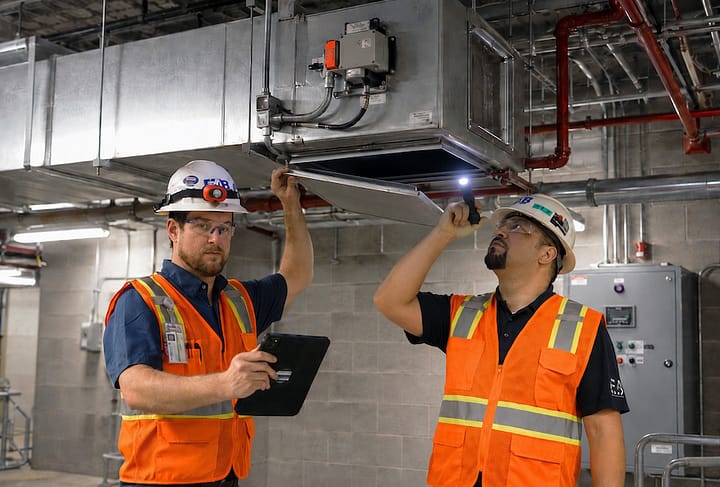
The most common reason a smoke control system fails acceptance testing isn’t a single broken component. It’s a coordination gap that nobody caught in time, because the verification process started too late or wasn’t structured enough to surface problems before the inspector arrived.
Specific failure patterns that show up repeatedly include dampers that don’t respond correctly in every operating mode, fan systems that were never balanced to design airflow before sequence testing began, fire alarm interfaces that weren’t verified for full monitor and control functionality, and deficiencies that were documented but never formally resolved and closed before the inspection date.
Every one of those failures is findable during pre-functional and functional testing, if the testing happens far enough in advance for the corrections to be made.
What Early Coordination Actually Looks Like in Practice
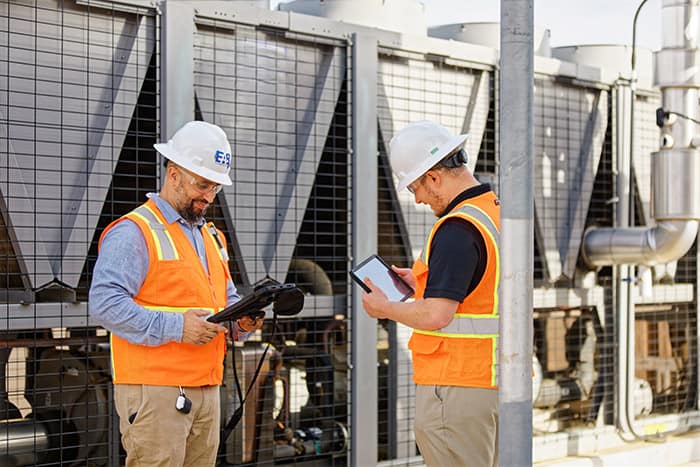
On a detention facility project, EAB’s team was engaged early enough to begin reviewing construction documents and coordinating with mechanical systems during the installation phase. That runway allowed the team to work through system-level issues before any smoke control testing began.
By the time the AHJ inspection was scheduled, internal testing had already been completed across the facility’s rooms, cells, and dayrooms. One issue that surfaced during that process, an overly sensitive smoke detector installed inside a perforated bulkhead with no internal ventilation, was identified during internal testing, escalated to the design team, and resolved before the formal inspection. The project’s first formal inspection resulted in a pass.
That outcome reflects what structured early coordination is designed to produce: fewer surprises at acceptance testing and more time to address the ones that do surface.
The Cost of Starting Too Late
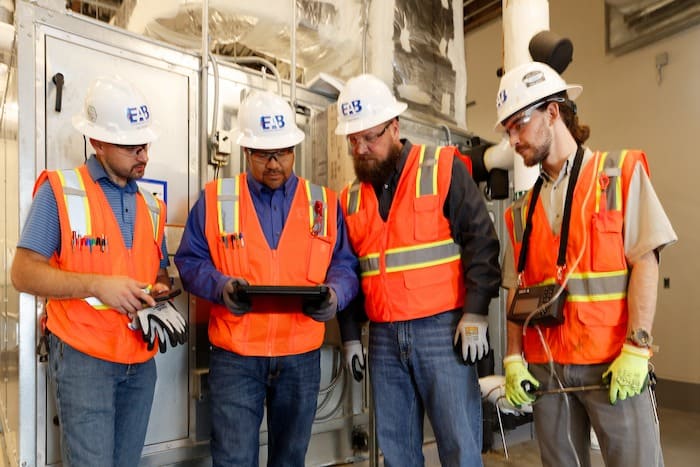
When a commissioning firm is brought in after mechanical systems are substantially complete and the inspection date is already on the calendar, the window to catch and correct problems narrows significantly. Pre-functional verification gets compressed. Deficiencies that would have surfaced during construction are discovered during acceptance testing instead.
A failed or incomplete acceptance test can delay occupancy and push project schedules back. The actual timeline for resolution depends on the scope of corrective work, AHJ requirements, and inspector availability. For state-regulated facilities like detention centers, where the AHJ has specific requirements for smoke control acceptance, that delay can have downstream consequences for the entire project.
What to Ask When Evaluating a Commissioning Firm for Smoke Control Projects

Not every commissioning firm has experience with the specific demands of smoke control acceptance testing in regulated facilities. When evaluating commissioning support for a project that includes smoke control acceptance testing, useful questions include:
- Has the firm commissioned smoke control systems in the same facility type and under the same AHJ?
- Does the firm have an established process for coordinating the TAB firm, fire alarm contractor, and controls contractor through functional testing?
- Can the firm provide a commissioning plan and FPT scripts specific to the smoke control system?
- Does the firm understand the special inspection requirements under the locally adopted code and have a process for coordinating with the AHJ?
Experience with the regulatory environment matters alongside technical competence. A commissioning firm that has already navigated the acceptance process under a given AHJ understands what the inspection will evaluate and can build that into the testing plan from the start.
Structured Preparation Reduces Acceptance Testing Risk
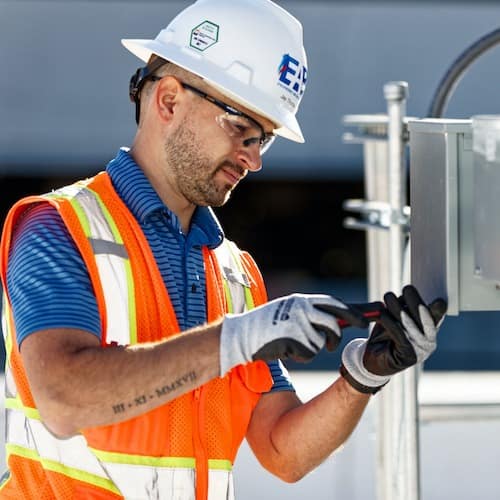
Passing a smoke control acceptance test on the first inspection is a coordination problem as much as it is a mechanical one. The TAB firm balances the systems. The controls contractor programs the sequences. Responsibility for wiring and interfaces is distributed across contractors depending on project structure. The commissioning firm’s job, within its contracted scope, is to make sure all of those pieces have been tested together, deficiencies have been resolved, and the documentation package is complete before the AHJ shows up.
A structured commissioning process, started early enough to surface and correct problems before acceptance testing, is what reduces the risk of a failed first inspection. It doesn’t eliminate it, because acceptance testing involves factors outside any firm’s control, but it addresses the ones that are controllable.
Work With a Commissioning Team That Understands Smoke Control

EAB provides commissioning and test and balance services for complex facilities, including projects with smoke control acceptance testing requirements. Our TAB and commissioning teams support the full process from design review through AHJ inspection, helping projects arrive at acceptance testing with systems that are balanced, sequenced, and documented. Learn more about EAB’s comprehensive commissioning services and how our team can support your next project.